Hallinda: A Script Font for Elegant Design
There’s a moment in editorial design when the right font can transform a project from good to exceptional. It happens while choosing a cover font for an ebook, or refining a blog header to match a brand’s voice. Hallinda, a premium script font from the Script Amp collection, has become a go-to choice for those seeking a balance between elegance and readability.
The Visual Character of Hallinda
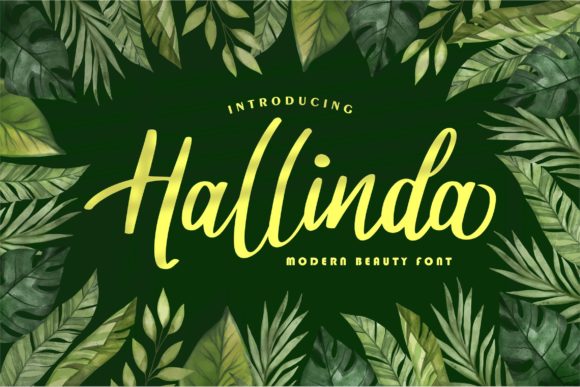
Hallinda carries a contemporary atmosphere with a timeless feel. Its strokes are neither too thin nor too thick, offering a balanced rhythm that feels both refined and approachable. The font’s structure is inspired by classic calligraphy but adapted for modern use, making it ideal for projects that require a touch of sophistication without sacrificing clarity.
Its personality is soft yet confident, lending itself well to editorial moods that lean toward warmth and creativity. Whether used in a lifestyle blog or a recipe ebook, Hallinda adds a sense of personality that resonates with readers.
Real-World Use Cases
For a recent lifestyle blog redesign, Hallinda was used as the primary heading font. It provided a visual anchor that guided readers through the content while maintaining a cohesive aesthetic. The font’s versatility allowed it to work well in both large titles and smaller pull quotes, creating a dynamic layout that felt natural and inviting.
In a wedding guide, Hallinda was paired with a clean serif font for body text, ensuring readability while still maintaining an elegant tone. The combination worked seamlessly, allowing the guide to feel both professional and personal.
Readability and Editorial Appeal
One of the strengths of Hallinda is its ability to maintain readability even at smaller sizes. While it’s primarily a display font, it works well in headlines, subheadings, and decorative accents. However, it’s not recommended for long-form body copy due to its expressive nature, which can strain the eyes over extended reading sessions.
For digital publications, Hallinda performs well on screens, especially when used in larger sizes. It also translates well to print, where its detailed strokes come to life in high-quality materials like printable planners or coaching workbooks.
Designing with Hallinda
When using Hallinda in editorial layouts, consider how it interacts with other design elements. Pairing it with a sans serif font for captions or navigation can create a clear visual hierarchy. For example, a digital magazine might use Hallinda for article titles and a simple serif font for body text, ensuring that the font’s character doesn’t overpower the content.
Font pairing is key to maximizing Hallinda’s potential. Its flowing style complements bold, structured fonts, making it a strong choice for logos, packaging designs, or social media graphics where a handwritten touch adds authenticity.
Practical Considerations
Before integrating Hallinda into a project, check the available styles, ligatures, and alternates. These features can enhance the font’s usability, especially in complex layouts or multilingual content. It’s also important to verify the file formats and commercial licensing terms, particularly if the font will be used in ebooks, templates, or client projects.
For creators who rely on consistent branding, Hallinda offers a reliable option for content branding. Its unique character helps establish a distinct identity without being overwhelming, making it suitable for course PDFs, printable guides, or newsletter headers.
When to Use Hallinda
Hallinda excels in roles that require a touch of personality and visual interest. It’s perfect for titles, chapter openers, and pull quotes, where its expressive style can draw attention and set the tone. It also works well as a decorative accent in editorial layouts, adding a layer of sophistication to any design.
However, it’s best to avoid using Hallinda in dense paragraphs or small captions, where its intricate details may reduce legibility. In such cases, a more restrained typeface would be more appropriate.
Whether you’re designing a lifestyle blog, a recipe ebook, or a coaching workbook, Hallinda offers a refined yet accessible option for editorial design. Its blend of classic inspiration and modern adaptability makes it a valuable addition to any designer’s toolkit, especially for projects that prioritize mood, consistency, and reader engagement.